

If you’re considering a geothermal HVAC system for your Stroudsburg, PA, home, its cost may give you pause. After all, geothermal systems are significantly more expensive than conventional HVAC systems. That remains true even when you consider their extraordinary energy efficiency. However, you may not be aware that a geothermal HVAC will last far longer than a conventional system. That can change your budgetary calculations when you’re considering a purchase. Here’s what you need to know about the longevity of a geothermal HVAC.
What Are the Components of a Geothermal HVAC System?
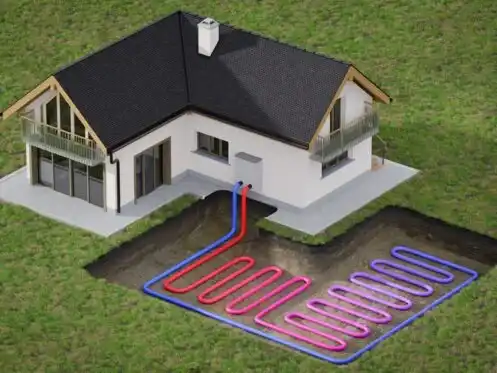
If you’ve never owned one, you may be curious about how geothermal systems work and the components they include. Geothermal HVAC systems comprise two main components. One is a heat pump, and the other is a ground loop. Unlike air-source heat pumps, geothermal models have no outdoor unit. They only include an indoor unit because they rely on the system’s ground loop for heat exchange.
Meanwhile, the ground loop uses a working fluid to transport heat. In cooling mode, the working fluid expels its collected heat into the surrounding ground. In heating mode, the working fluid gathers heat energy from the ground to bring it indoors. The significant advantage of a ground loop versus the open air is that ground temperatures remain stable year-round.
The Longevity of a Geothermal Ground Loop
Geothermal ground loops typically last considerably longer than the heat pumps they serve. On average, you can expect a geothermal ground loop to last for 50 years or more. Part of the reason for that is their location. Once buried, few external forces can damage a geothermal ground loop. The depth at which you’d find the average geothermal ground loop is well below the frost line. That eliminates damage that the seasonal freeze/thaw cycle might do. Generally speaking, one of the only real environmental threats to geothermal ground loops is earthquakes. And since Stroudsburg isn’t very seismically active, that’s not much of a concern here.
The Longevity of a Geothermal Heat Pump
On average, you can expect the heat pump component of a geothermal HVAC system to last between 20 and 25 years. One of the primary reasons for that is the fact that a geothermal heat pump doesn’t get exposed to the elements. That not only limits wear and tear but also makes maintenance much simpler. Additionally, a geothermal heat pump doesn’t involve lengthy refrigerant line runs. That makes refrigerant leaks less likely than they would be with a conventional HVAC system. For comparison, the average air-source heat pump lasts between 12 and 15 years with regular maintenance.
Significantly, the long lifespan of a geothermal ground loop alters the lifetime cost of a geothermal HVAC system considerably. That’s because the installation of a ground loop represents the bulk of the upfront system installation costs. Then, when your system’s heat pump requires replacement, you can reuse your existing ground loop. So, if you add up the total costs of your system over 50 years, you’ll find it compares favorably to the price of the multiple air-source HVACs you’d need to cover that span.
Advantages of Geothermal HVAC
You might also want to examine the benefits you’d get from a geothermal HVAC system for its price. One is that it could cut your home’s heating and cooling costs by up to 70%. When you consider that electricity rates only ever seem to rise, that’s a number that will grow over the life of your system. Additionally, adding a geothermal HVAC to your home can increase your property value. They’re a sought-after amenity that potential homebuyers love. After all, who wouldn’t want a house with the most efficient HVAC there is?
A geothermal HVAC is the only type of comfort system that rising temperatures won’t hamper. As the summers in Stroudsburg get warmer, traditional HVAC systems can grow less effective. That’s because they depend on the differential between the outdoor temperature and their refrigerant temperature to expel heat. The hotter the outside air gets, the more they run to keep your home cool. You may even notice your HVAC struggling to maintain your set temperature on triple-digit days. Geothermal systems, by contrast, work just as well on the hottest days as they do on the coldest ones.
Your Local Geothermal HVAC Experts
As the premier HVAC company in Stroudsburg, R.J. Groner Inc. today!


